


Collection: Heel spur
Heel spurs and plantar fasciitis are common causes of pain under the heel, especially during the first steps in the morning or after resting. The symptoms usually occur when the tendon under the foot becomes overloaded, which can lead to irritation and tenderness around the heel.
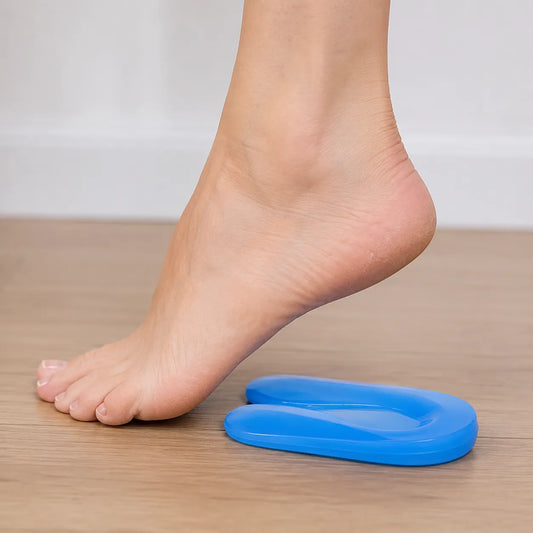
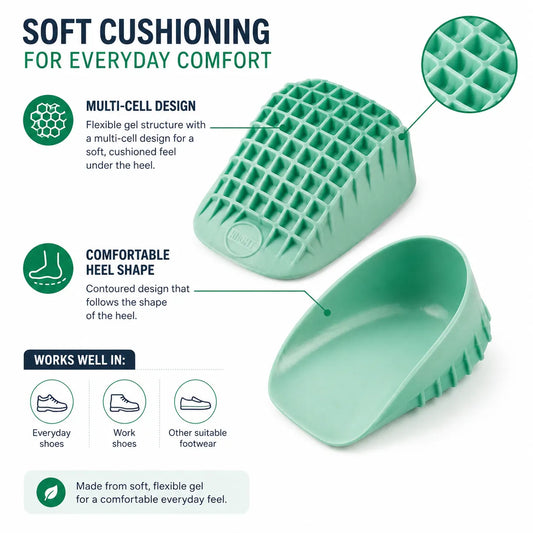
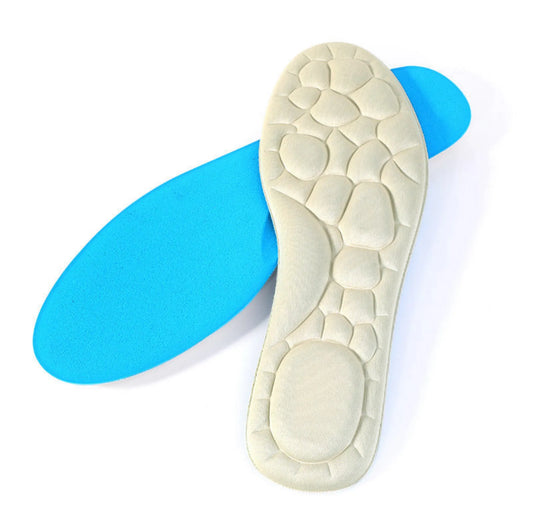
For many people, relieving pressure with orthopedic aids can provide quick relief. Also see our shock-absorbing heel inserts, which can reduce pressure on the plantar fascia's attachment point.
- Best Seller
- Best Seller
- Best Seller
- Best Seller
- Best Seller
- Best Seller
- Best Seller
- Bestseller
- Best Seller














What are heel spurs and why do they hurt?
Heel spurs are one of the most common causes of pain under the heel and are usually caused by overuse of the tendon under the foot, known as the plantar fascia.
When the tendon is subjected to repeated strain, small injuries occur, leading to irritation and pain. This is why many people experience the most pain during their first steps in the morning or after resting.
The pain may feel sharp, burning, or aching under the heel and often worsens during longer walks or when standing for extended periods. It is also common for the symptoms to develop gradually over time.
Common causes of heel spurs
Heel spurs rarely develop overnight; they gradually develop when the foot is subjected to more strain than it can handle.
Common causes include:
- Prolonged standing or walking on hard surfaces
- Shoes with poor cushioning or inadequate support
- Overuse during exercise or increased activity
- Collapsed arch or improper weight distribution
- Stiff calves or limited mobility in the foot
By reducing the strain and providing the foot with the right support, you can often break the negative cycle.
How to relieve heel spurs in everyday life
To reduce pain, it is important to both relieve pressure on the heel and support the foot's natural function.
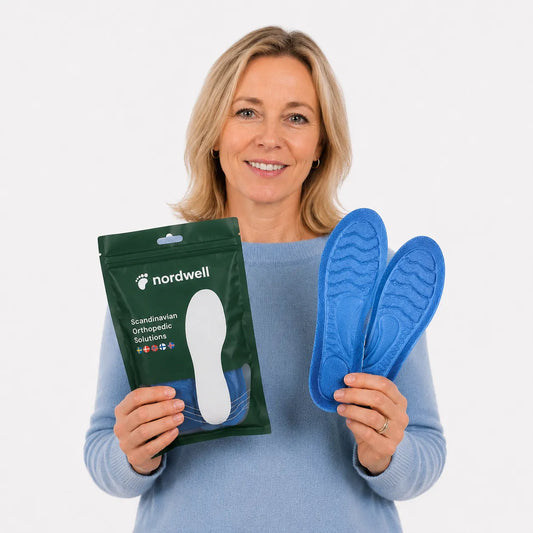
Many people experience noticeable relief by using gel heel inserts for heel spurs that support the arch of the foot and reduce pressure on the heel. These inserts are placed directly in the shoe and help cushion the impact with each step, which can relieve pain and discomfort in everyday life.
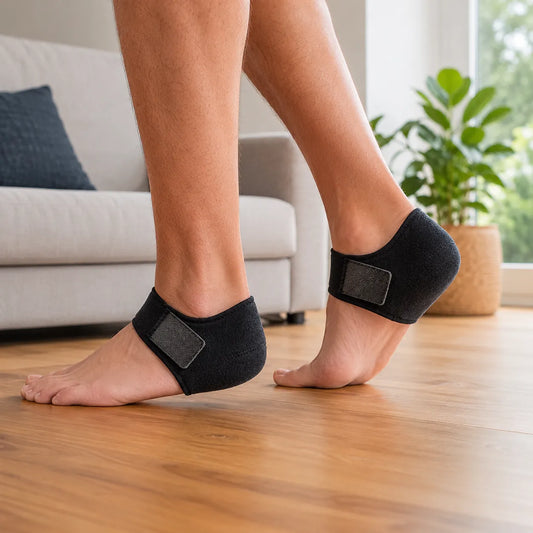
For extra relief, you can also use soft heel pads or protectors that reduce pressure directly where it hurts. For some people, compression socks may also improve circulation and provide support during the day.
In addition to aids, it is also a good idea to:
- Wear stable shoes with good cushioning
- Avoid walking barefoot on hard floors
- Reduce activities that worsen the pain
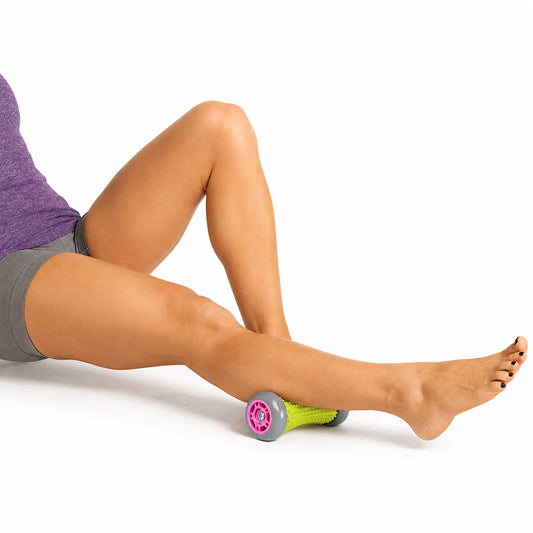
- Stretch your foot and calf regularly
What helps heel spurs most?
The most effective approach is usually a combination of several measures focused on reducing the load and giving the foot the right conditions to heal.
The following usually gives the best results:
- Shock-absorbing insoles that relieve the heel
- Heel cups or heel protectors that reduce pressure points
- Stretching the calves and soles of the feet
- Adapting shoes and everyday load
With the right support, you can remain active without worsening the symptoms.
How long does it take to get better?
A heel spur is a condition that often requires patience. For many people, it takes a few weeks to months before the symptoms decrease, depending on how early treatment begins and strain on the foot is reduced.
By using the right aids and reducing the load, you can speed up recovery and reduce the risk of the problems becoming long-lasting.
When should you take action?
If you have heel pain that does not go away, or if the pain affects your everyday life, it is important to take it seriously.
The sooner you start reducing strain on your foot and using the right support, the greater your chances of getting rid of the symptoms more quickly.
Frequently asked questions about heel spurs
What is a heel spur, really?
A heel spur is a painful condition of the heel that is usually caused by overloading the plantar fascia, not by the bony growth itself.
What does a heel spur feel like?
The pain is usually felt under the heel and is worst during the first steps in the morning or after resting.
Can you exercise with a heel spur?
Yes, but it is important to adapt your training and avoid activities that worsen the pain, such as running on hard surfaces.
What helps heel spurs most quickly?
Reducing strain combined with supportive insoles and proper shoes often provides the fastest relief.
Do you need to seek medical care?
If the pain does not go away despite self-care, or if it gets worse, it may be a good idea to contact a healthcare provider for further assessment.
Read more: Information about heel spurs on 1177